
Impact

Community health workers (CHWs) critically impact individuals and communities.
As trusted community members, CHWs serve as a resource for increasing health knowledge and self-sufficiency. CHWs also help improve health outcomes and overall well-being through various activities, including outreach, community education, informal counseling, social support, and advocacy.
Through the work of CHWs, people and communities have a greater understanding of the programs and services available to enhance their overall health. Assistance can be provided in various ways, such as helping with an unmet healthcare need or improving social determinants of health like transportation, food insecurity, living conditions, and even financial assistance and job opportunities.

Read about how CHWs are strengthening public health
Strengthening the CHW practice nationally
Read a Qualitative Analysis of Barriers, Facilitators, and Impacts
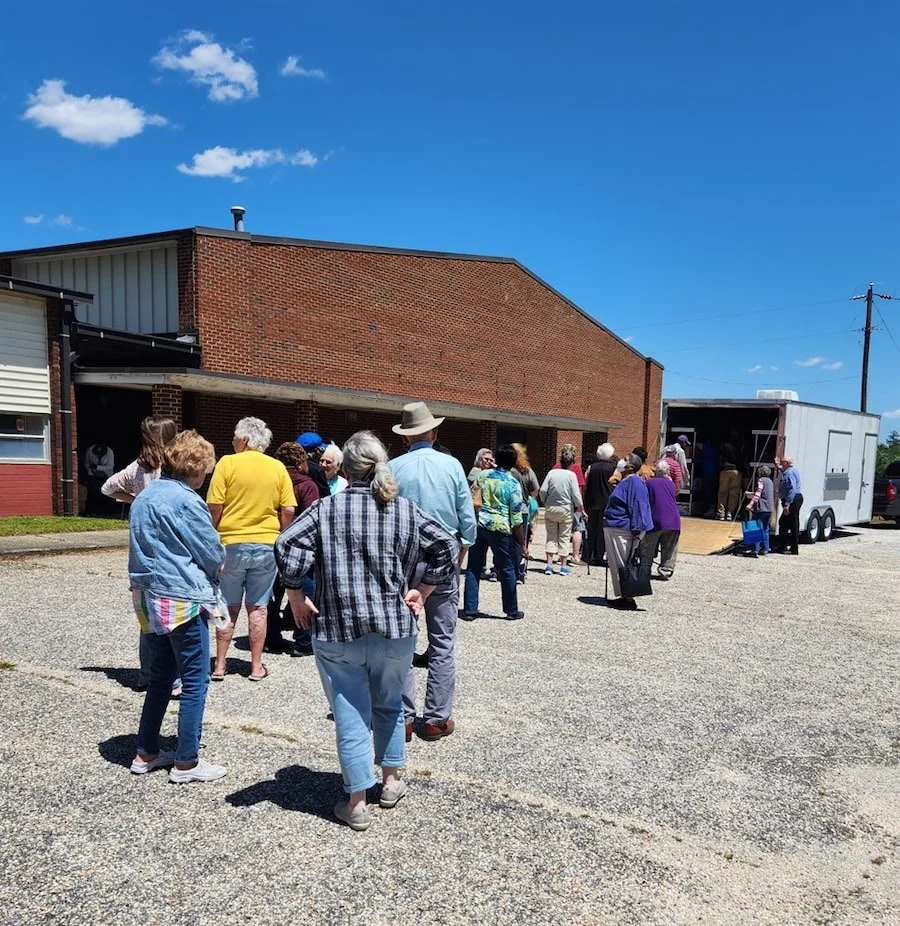
CHWs Improving Health Outcomes in Rural South Carolina
For too long, individuals who are most impacted by health inequities have not had the access they need to the resources that can change their health and well-being. Evidence shows that the most lasting health solutions are produced by uplifting individuals and communities and aligning health services, resources, and support.
Community Health Workers Improve Patient Outcomes
This infographic outlines CHW competencies and how the inclusion of CHWs as a part of the health care system improved health outcomes for several groups.
Community Health Workers Help Meet National Health Goals
The Community Preventative Services Task Force recommends integration of CHWs for cancer screenings, diabetes management and prevention and to address cardiovascular disease.
Read the ROI report of CHW Integration in the Care of Individuals
Why Community Health Workers Are So Important
The Association of State and Territorial Health Officials created a brief of the research about CHW effectiveness, saying, “The number of research articles on the impact of CHW-led interventions and programs has escalated dramatically over the past fifty years, and the scientific rigor of study designs has improved notably.

Proven effectiveness in reducing health inequities
Research on CHWs shows proven effectiveness in reducing health inequities, containing costs, and improving outcomes across a wide range of diseases and conditions, including:
Diabetes
-
African American patients with diabetes in West Baltimore City resulted in a decline in emergency room (ER) visits by 40%, ER admissions to hospitals declined by 33%, and Medicaid payments declined by 27%. The CHW program resulted in an average savings of $2,245 per patient per year, and a total savings of $262,080 for 117 patients.1
Pediatric Asthma
-
CHWs provided in-home support among 74 low-income households with a child aged 4–12 years who had asthma. The CHW intervention resulted in decreased exposure to indoor asthma triggers and showed a projected four-year net savings per participant among the high intensity group was $721
Blood Pressure
-
Patients assigned to the CHW group had a 26% higher rate of improvement in medication compliance than the control group. At the end of the 36-month RCT, 44% of the CHW group had controlled blood pressure as compared to 31% of the control group
Primary care vs. ED Utilization
-
CHWs provided patient education for up to six months with 448 Medicaid Managed Care Organizations (MCO) enrollees in 11 counties in New Mexico. There was a significant reduction in both numbers of claims and payments for the CHW intervention group, including a greater reduction in costs for the CHW-intervention group in use of ambulatory and ED services, and an overall 4:1 return on investment for the CHW intervention group
Case Studies
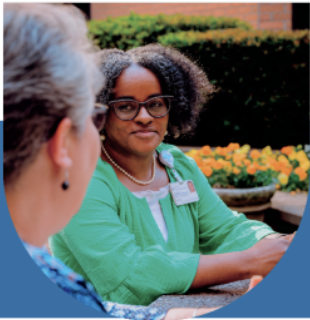
Access to Healthcare: Union, South Carolina
Almost 10% of Union, South Carolina’s population is uninsured. A look at how CHWs are helping residents access care.

Neighbors Helping Neighbors: Sumter, South Carolina
Rural communities have long been underserved in healthcare and had CHWs before there was even a name for them.

Spartanburg, South Carolina
CHWs intimately understand the gaps for various rural and minority populations throughout South Carolina. How CHWs are engaging communities to address health inequities.
Rural Community Resource: Gaffney, South Carolina
CHWs are helping reduce challenging barriers related to healthcare access and unmet social needs in rural communities like Gaffney and the surrounding communities in South Carolina’s Upstate.

A Community Health Hub Lee County’s Rural Health Library Program
A CHW approach to making health resources and support more readily accessible in rural communities.

Maintaining a Team of CHWs
Building strong CHW teams throughout South Carolina by embracing best practices.